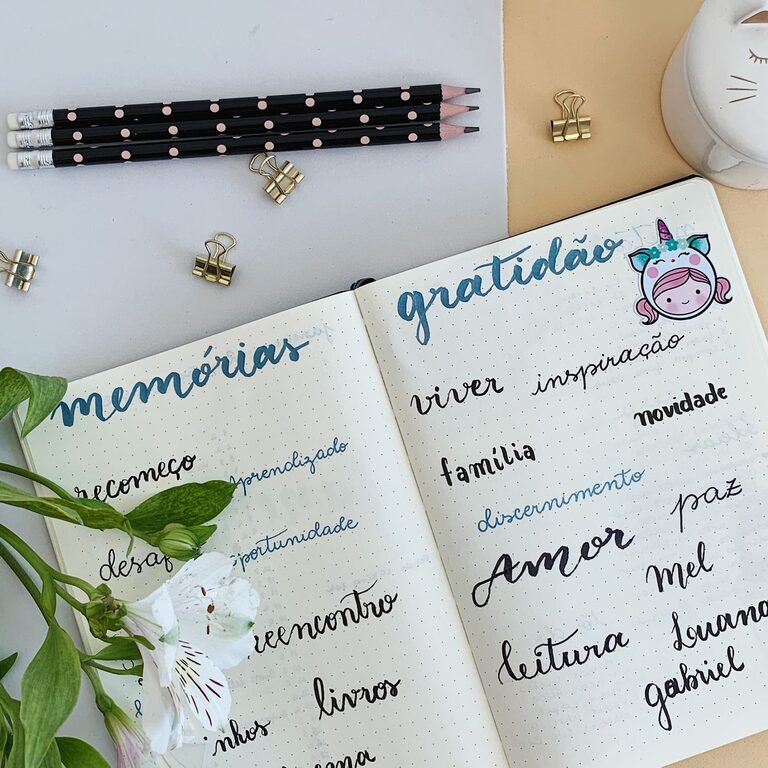

Journaling is a powerful and accessible way to reflect on your thoughts, organize your ideas, and track your personal growth. If you’re new to journaling or want to make it a daily habit, this beginner guide will walk you through the essentials. Whether you want to reduce stress, boost creativity, or simply keep a record of your life, journaling can fit seamlessly into your routine.
Why Journaling Every Day Matters
Daily journaling offers several benefits that contribute to mental clarity and emotional balance:
– Enhances self-awareness: Writing regularly helps you understand your feelings and patterns.
– Supports mindfulness: Taking a few minutes to reflect encourages present-moment awareness.
– Improves writing skills: Practice leads to clearer and more confident communication.
– Tracks progress: You can see changes in mood, goals, and accomplishments over time.
– Relieves stress: Putting thoughts on paper can be therapeutic and calming.
How to Get Started with Daily Journaling
Choose Your Journal Type
Select a format that suits your lifestyle and preferences. Some popular options include:
– Traditional notebook: Simple and portable.
– Digital apps: Convenient for those who prefer typing (e.g., Evernote, Day One).
– Bullet journals: Combines planning, to-do lists, and journaling.
– Audio or video journals: For those who prefer speaking over writing.
Choose what feels comfortable; there is no “right” way to journal.
Set a Specific Time
Consistency is key to forming a habit. Try to journal at the same time every day, such as:
– Morning: To set intentions and prepare for the day.
– Evening: To reflect on the day’s events and unwind.
– Lunch break: A quick midday reset.
Even five minutes is enough to reap the benefits.
Create a Comfortable Space
Find a quiet spot free from distractions where you can focus. Having a dedicated space can make journaling feel more enjoyable and special.
What to Write About: Journaling Prompts for Beginners
Knowing what to write can sometimes be the hardest part. Here are simple prompts to get you started:
Daily Reflection Prompts
– What are three things I’m grateful for today?
– What was the best part of my day?
– What challenges did I face today, and how did I handle them?
– How am I feeling right now?
Goal and Motivation Prompts
– What are my top three goals this week?
– What motivates me to keep going when things get tough?
– What small step can I take today toward a bigger goal?
Creative and Free Writing Prompts
– Describe your favorite place and why it’s special.
– Write a letter to your future self.
– List five things that make you happy.
– Write about a recent dream or a daydream.
Tips for Maintaining Your Journaling Habit
– Start small: Begin with 3-5 minutes daily and gradually increase.
– Be kind to yourself: It’s okay to miss a day; just get back to it.
– Mix it up: Try different styles like lists, sketches, or poems.
– Avoid judgment: Don’t worry about grammar or perfection; focus on expression.
– Use reminders: Set phone alarms or sticky notes as gentle nudges.
Common Challenges and How to Overcome Them
Challenge: Lack of Time
– Solution: Keep your journal next to your bed or workspace for quick access.
– Write one sentence or a quick bullet list if pressed for time.
Challenge: Writer’s Block
– Solution: Use prompts or start by writing about your surroundings or current mood.
– Remember, journaling isn’t about producing polished work.
Challenge: Feeling Self-Conscious
– Solution: Keep your journal private and secure.
– Remind yourself that journaling is for your eyes only.
Final Thoughts
Starting a daily journaling practice is a meaningful investment in your well-being. It can be as simple or detailed as you like, and the key is to find what works best for you. By dedicating even a few minutes each day, you’ll gradually build a habit that supports reflection, growth, and creativity.
Ready to start? Grab a notebook or open a new document, pick a prompt, and begin your journaling journey today!