
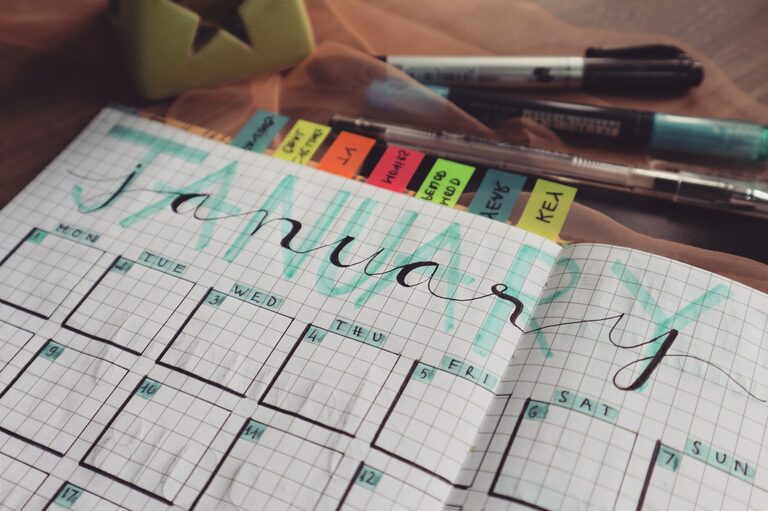
Taking time to unwind is essential to maintain balance and overall well-being. A well-planned no-stress weekend can help you recharge, reduce anxiety, and prepare you for the week ahead. If you often feel overwhelmed by your busy schedule, this guide will provide practical steps to create a relaxing and enjoyable weekend without unnecessary pressure.
Why Planning a No-Stress Weekend Matters
Weekends are our designated time to rest, but without proper planning, they can turn chaotic or leave you feeling just as tired as during the week. Planning a no-stress weekend allows you to:
– Reconnect with yourself and loved ones
– Improve your mental and physical health
– Increase productivity during the week
– Cultivate healthy habits and hobbies
Now, let’s look at how to plan a weekend that feels smooth and peaceful.
Step 1: Set Realistic Expectations
Before the weekend arrives, remind yourself to keep plans simple. A no-stress weekend doesn’t mean everything must be perfect or productive. Accepting that it’s okay to relax and do less is the first step to reducing stress.
Tips:
– Limit your to-do list to three main activities or goals
– Avoid overbooking social events or chores
– Allow flexibility for spontaneous relaxation
Step 2: Prepare Ahead of Time
Taking a bit of time during the week to prepare helps reduce weekend chaos.
Meal Planning and Preparation
– Choose easy, healthy recipes for the weekend
– Cook meals in advance or chop ingredients ahead
– Keep snacks and refreshments available to avoid last-minute shopping
Household Tasks
– Finish laundry, cleaning, or errands before the weekend
– Tidy up your space on Friday evening to create a calming environment
Step 3: Design Your Weekend Schedule
Having a loose plan keeps your time balanced without feeling rigid.
Morning Routine
– Wake up at a comfortable time, avoiding alarms if possible
– Start with gentle stretches or a brief walk outside
– Enjoy a nutritious breakfast without rushing
Midday Activities
– Dedicate time to hobbies like reading, gardening, or crafting
– Spend quality time with family or friends, if you feel like socializing
– Consider outdoor activities like visiting a park or going for a bike ride
Evening Wind-Down
– Limit screen time in the evening to help your mind relax
– Engage in calming activities such as journaling or listening to music
– Prepare for bed with a consistent routine like a warm bath or light meditation
Step 4: Create a Comfortable Environment
Your surroundings greatly impact your stress levels.
– Declutter common areas before the weekend starts
– Use calming scents such as lavender or eucalyptus
– Set up cozy spaces with blankets, pillows, or candles
– Play soft background music or nature sounds if desired
Step 5: Practice Mindfulness and Self-Care
Mindfulness is a powerful tool that keeps you anchored in the present.
– Try simple breathing exercises when you feel overwhelmed
– Limit exposure to stressful news or social media
– Take short naps if you feel tired but avoid oversleeping
– Treat yourself kindly with small indulgences like your favorite tea or a hobby session
Step 6: Disconnect to Reconnect
Consider unplugging from devices or limiting notifications.
– Set “do not disturb” modes during certain times
– Inform others of your plans for some quiet time
– Use this opportunity to focus on in-person connections or solo relaxation
Tips for Maintaining a No-Stress Mindset Beyond the Weekend
– Reflect on what helped you feel relaxed and try to incorporate those habits daily
– Schedule regular breaks during your workweek to avoid burnout
– Keep a journal to track your stress triggers and relaxation strategies
Conclusion
Planning a no-stress weekend is about intention and balance. By setting realistic goals, preparing ahead, and creating a nurturing environment, you can enjoy your time off more fully. Remember that relaxation looks different for everyone, so listen to your needs and make choices that serve your well-being.
Give yourself permission to slow down, and you’ll find your weekends becoming a true source of rest and rejuvenation.